InsightsDevelopment
What boutique means in a market of towers
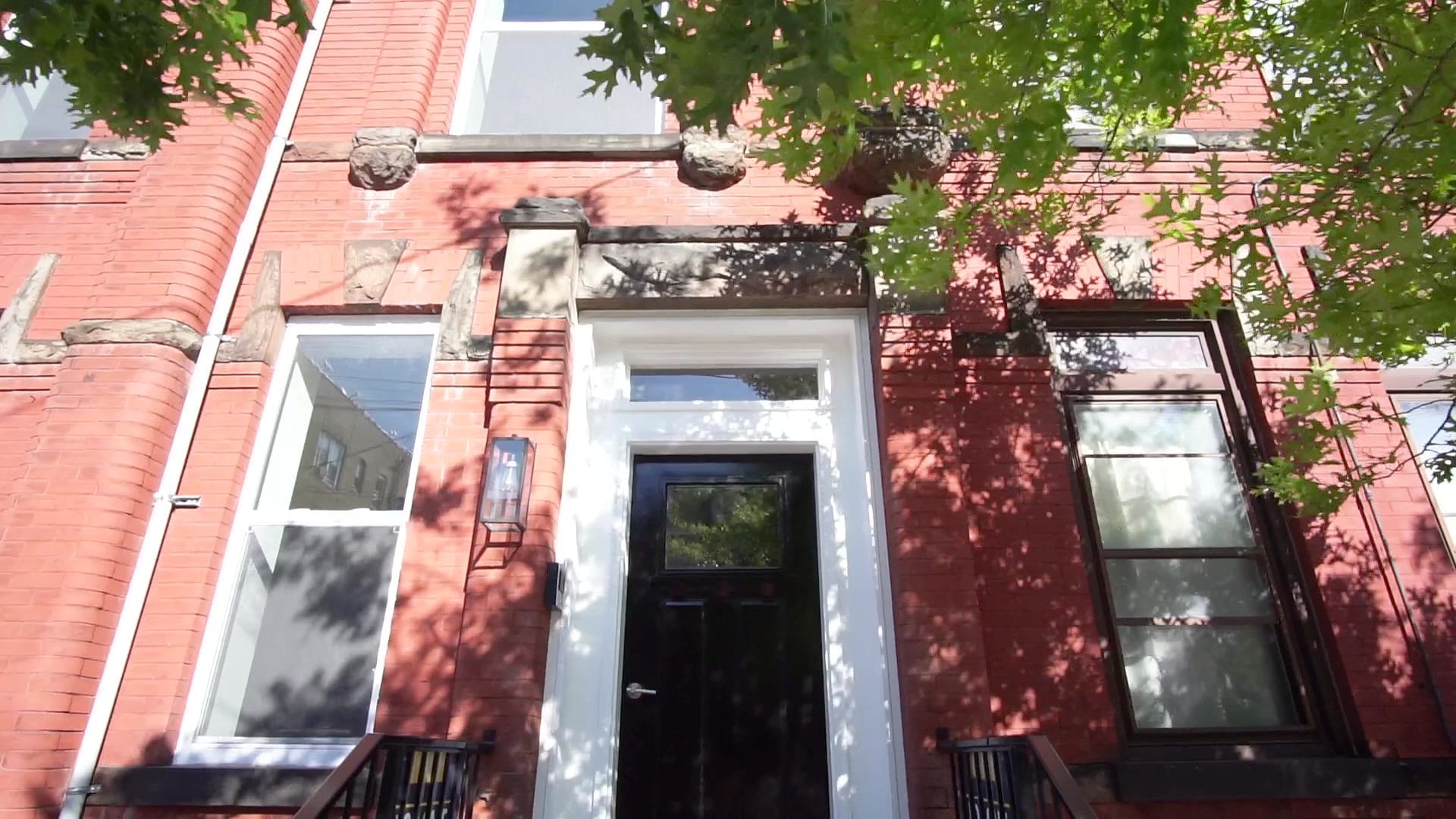
The word is used for anything under a hundred units. It should describe a way of planning a building, not a count.
Most of the new development on both sides of the Hudson over the last cycle has been large: full-block sites in Jersey City and Long Island City, several hundred units, amenity floors sized to a hotel. That product has a market. It is not the one we work in.
A boutique building is defined less by its unit count than by the decisions its scale allows. Small floor plates mean corners for most residences. Fewer homes mean a lobby that can be attended without a service charge that alarms buyers. A limited palette can be executed properly because there are fewer places for it to go wrong.
The result is a building that competes on the quality of the individual home rather than on the length of the amenity list. In Paulus Hook or Brooklyn Heights, in Hoboken or the West Village, in Montclair or Rye, that is what the most discerning buyers are actually comparing.
For a developer, the discipline is in resisting the extra floor and the extra unit. The upside is a sellout that does not depend on the broader market's appetite for volume.